


Exploring India's Traditional Textile Crafts
- Weaver Saga Pvt. Ltd.

- 3 days ago
- 4 min read
India’s rich heritage shines brightly through its traditional textile crafts. These crafts tell stories of culture, history, and artistry woven into every thread. As someone who loves the charm of ethnic wear, I find these textiles fascinating. They connect us to centuries-old techniques and vibrant traditions that continue to inspire modern fashion.
Let’s dive into the world of India’s traditional textile crafts. I’ll share insights about some famous styles, their unique features, and how they fit into today’s fashion scene. Whether you’re shopping for a special occasion or simply curious, this guide will help you appreciate the beauty and skill behind these fabrics.
Discovering India’s Traditional Textile Crafts
India’s textile heritage is vast and diverse. Each region has its own signature craft, reflecting local culture and climate. These crafts use natural fibres like cotton, silk, and wool, combined with hand-dyeing, weaving, and embroidery techniques. Here are some of the most celebrated traditional textile crafts:
Banarasi Silk from Varanasi: Known for its rich gold and silver brocade work, Banarasi silk sarees are a symbol of luxury. The intricate patterns often include floral and foliate motifs inspired by Mughal art.
Chikankari from Lucknow: This delicate hand embroidery uses white thread on light fabrics like muslin or chiffon. It creates elegant, floral patterns that are perfect for summer wear.
Kalamkari from Andhra Pradesh and Telangana: Kalamkari involves hand-painting or block-printing with natural dyes. The designs often depict mythological scenes and nature-inspired motifs.
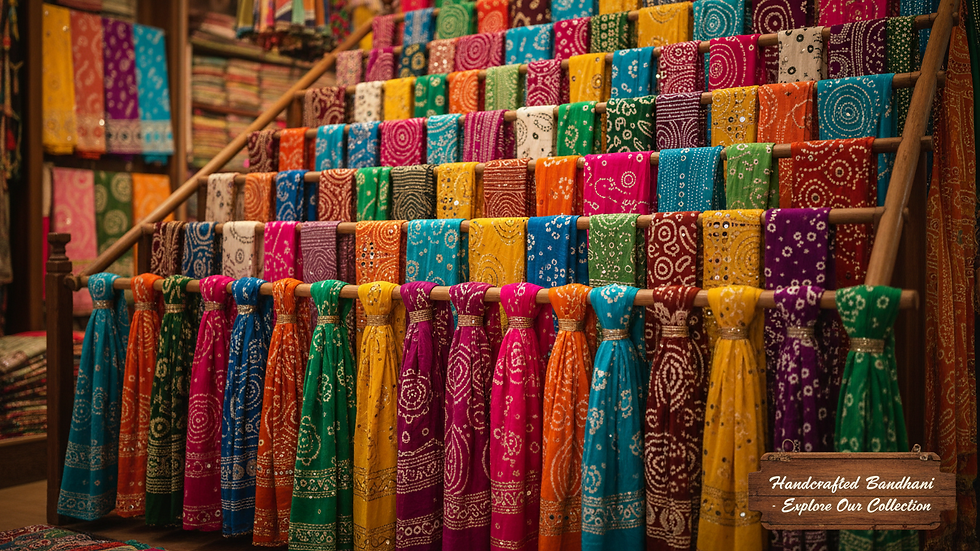
Bandhani from Gujarat and Rajasthan: This tie-dye technique produces vibrant patterns by tying small sections of fabric before dyeing. The result is a lively, dotted design that’s full of energy.
Pochampally Ikat from Telangana: Ikat is a resist-dyeing technique where threads are dyed before weaving. Pochampally Ikat is famous for its geometric patterns and bold colours.
Each craft has a story and a method that has been passed down through generations. These textiles are not just clothes; they are living art.

How Traditional Textile Crafts Shape Modern Fashion
Traditional crafts are not stuck in the past. They influence contemporary designers and everyday wear. Many fashion enthusiasts love mixing these timeless textiles with modern cuts and styles. This blend keeps the crafts alive and relevant.
For example, a Banarasi silk blouse paired with jeans creates a chic fusion look. Chikankari kurtas with minimal accessories work well for casual outings. Kalamkari prints appear on dresses, scarves, and even home décor items. Bandhani dupattas add a pop of colour to simple outfits.
If you want to explore traditional indian fashion, you’ll find many options that celebrate these crafts. Wearing these textiles supports artisans and helps preserve their skills. It’s a way to connect with India’s cultural roots while expressing your personal style.
Is it okay to show ankles in India?
When it comes to traditional Indian attire, modesty often plays a role in how people dress. However, showing ankles is generally acceptable, especially in urban areas and among younger generations. Many women wear ankle-length skirts, churidars, or palazzos that reveal the ankles comfortably.
In some regions and communities, covering the ankles might be preferred during religious or formal occasions. But for everyday wear, showing ankles is common and stylish. Pairing ankle-length garments with traditional footwear like juttis or sandals highlights the ankles beautifully.
If you’re attending a traditional event, consider the setting and dress code. Otherwise, feel free to embrace ankle-length styles that suit your comfort and fashion sense.
Tips for Choosing and Caring for Traditional Textiles
Buying traditional textiles can be exciting but also overwhelming. Here are some practical tips to help you select and maintain these beautiful fabrics:
Know the fabric - Understand the base material like silk, cotton, or wool. This helps you choose according to the season and occasion.
Check the craftsmanship - Look closely at the embroidery, prints, or weaving. Authentic handwork has slight irregularities that add charm.
Buy from trusted sources - Support artisans and verified sellers to ensure quality and fair trade.
Care instructions - Most traditional textiles need gentle handling. Dry clean silk sarees, hand wash cotton with mild detergent, and avoid direct sunlight for drying.
Storage - Store your textiles in cool, dry places. Use muslin cloth bags to protect delicate fabrics from dust and moisture.
By following these tips, you can enjoy your traditional textiles for years and keep their beauty intact.
Embracing Tradition in Everyday Style
Incorporating traditional textiles into your daily wardrobe is easier than you think. Start small with accessories like scarves, stoles, or bags made from these crafts. Gradually add kurtas, skirts, or sarees that suit your lifestyle.
Mix and match with contemporary pieces to create versatile looks. For instance, a Kalamkari printed shirt with denim or a Bandhani dupatta over a plain dress can brighten your outfit instantly. Experiment with colours and textures to find what feels right.
Wearing traditional textiles is not just about fashion. It’s about celebrating heritage, supporting artisans, and expressing your unique identity. Every piece you wear carries a story and a connection to India’s rich cultural tapestry.
Exploring India’s traditional textile crafts opens a world of colour, creativity, and history. These fabrics are more than just clothes - they are a celebration of art and culture. Whether you choose a Banarasi silk saree or a Bandhani dupatta, you carry forward a legacy that has thrived for centuries.
By embracing these crafts in your wardrobe, you help keep them alive for future generations. So go ahead, explore, experiment, and enjoy the timeless beauty of India’s traditional textiles.


Comments