


Unveiling the Timeless Elegance of Traditional Indian Fashion
- Oct 13, 2025
- 3 min read
Indian fashion is a vibrant tapestry woven with centuries of culture, tradition, and artistry. The allure of classic Indian attire lies in its ability to blend rich heritage with contemporary style, making it a timeless choice for many. From the intricate embroidery to the luxurious fabrics, every element tells a story of craftsmanship and cultural pride. This blog explores the essence of classic Indian attire, highlighting its significance, styles, and how it continues to inspire fashion enthusiasts worldwide.
The Charm of Classic Indian Attire
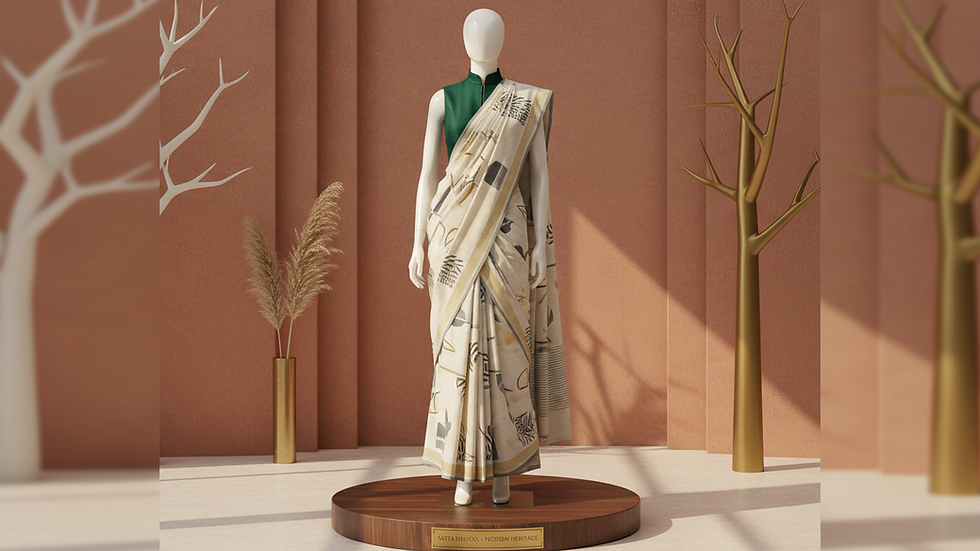
Classic Indian attire is more than just clothing; it is an expression of identity and tradition. Each region in India boasts unique styles that reflect its history and climate. For example, the saree, a long piece of cloth draped elegantly around the body, is a staple in many parts of India. It comes in various fabrics like silk, cotton, and chiffon, each suited for different occasions.
Men’s traditional wear, such as the kurta-pajama or sherwani, showcases simplicity combined with regal elegance. These garments often feature detailed embroidery and are worn during festivals, weddings, and formal events.
The beauty of classic Indian attire lies in its versatility. It can be adapted for casual wear or grand celebrations, making it a cherished choice for generations.

Exploring the Diversity of Classic Indian Attire
India’s vast cultural landscape means that classic attire varies widely across states and communities. Here are some notable examples:
Banarasi Saree (Uttar Pradesh): Known for its gold and silver brocade, this saree is a symbol of luxury and is often worn at weddings.
Kanjeevaram Silk (Tamil Nadu): Famous for its vibrant colors and temple-inspired designs, this silk saree is a prized possession.
Phulkari (Punjab): Characterized by floral embroidery, Phulkari shawls and dupattas add a splash of color to any outfit.
Bandhani (Rajasthan and Gujarat): This tie-dye technique creates intricate patterns on fabrics, popular in turbans and sarees.
Chikankari (Uttar Pradesh): Delicate hand embroidery that adds subtle elegance to kurtas and sarees.
Men’s attire also reflects regional diversity, with garments like the dhoti, lungi, and bandh gala suit. Accessories such as turbans, juttis (traditional shoes), and jewelry complete the look.
This diversity not only celebrates India’s rich heritage but also offers endless options for those seeking authentic and stylish clothing.

What is Indian Traditional Style?
Indian traditional style is a blend of age-old customs, craftsmanship, and cultural symbolism expressed through clothing. It emphasizes the use of natural fabrics, handwoven textiles, and intricate embellishments. The style is deeply rooted in rituals and social customs, often reflecting the wearer’s community, status, and occasion.
Traditional Indian style is not static; it evolves while maintaining its core values. For instance, modern designers incorporate traditional motifs and techniques into contemporary silhouettes, making the style accessible to younger generations.
Key elements of Indian traditional style include:
Fabric Choice: Silk, cotton, wool, and khadi are preferred for their comfort and authenticity.
Embroidery and Weaving: Techniques like zari, zardozi, gota patti, and mirror work add texture and richness.
Color Palette: Bright colors like red, orange, and gold are common for celebrations, while pastels and whites are used for everyday wear.
Jewelry and Accessories: Traditional jewelry such as bangles, jhumkas (earrings), and necklaces complement the attire.
Understanding these elements helps appreciate the depth and beauty of Indian traditional style.

How to Incorporate Classic Indian Attire into Modern Wardrobes
Integrating classic Indian attire into everyday fashion can be both fun and stylish. Here are some practical tips:
Mix and Match: Pair a traditional kurta with jeans or a saree blouse with trousers for a fusion look.
Accessorize Wisely: Use ethnic jewelry or a statement dupatta to elevate simple outfits.
Choose Comfortable Fabrics: Opt for cotton or linen sarees and kurtas for daily wear.
Experiment with Draping Styles: Try different saree draping techniques to suit your personality and occasion.
Layering: Combine traditional jackets or vests with western wear for a chic appearance.
By blending classic pieces with modern elements, you can create unique looks that honor tradition while embracing contemporary trends.
The Enduring Appeal of Traditional Indian Fashion
The enduring appeal of traditional indian fashion lies in its ability to connect people with their roots while offering timeless elegance. Whether it is the grandeur of a bridal lehenga or the simplicity of a cotton kurta, these garments carry stories of heritage and artistry.
Supporting artisans and handloom weavers helps preserve these crafts for future generations. Investing in authentic pieces not only enriches your wardrobe but also contributes to sustaining cultural legacies.
Classic Indian attire continues to inspire designers globally, proving that true style transcends time and trends. Embracing this fashion is a celebration of identity, creativity, and tradition.
Discover the beauty and craftsmanship of classic Indian attire and let your wardrobe tell a story of timeless elegance and cultural pride.


Comments