


Understanding the Allure of Women's Ethnic Attire

Ethnic attire holds a special place in the world of fashion. It connects us to our roots, tells stories of culture, and celebrates craftsmanship. When I think about women's ethnic attire, I see more than just clothing. I see a vibrant tapestry of tradition, art, and identity woven into every thread. This post explores why ethnic wear continues to captivate hearts and how it blends tradition with modern style.
The Timeless Charm of Women's Ethnic Attire
Ethnic attire has a timeless appeal. It carries the essence of history and culture, passed down through generations. Each piece tells a story - from the intricate embroidery to the choice of fabric and colors. Wearing ethnic clothes feels like embracing a piece of heritage.
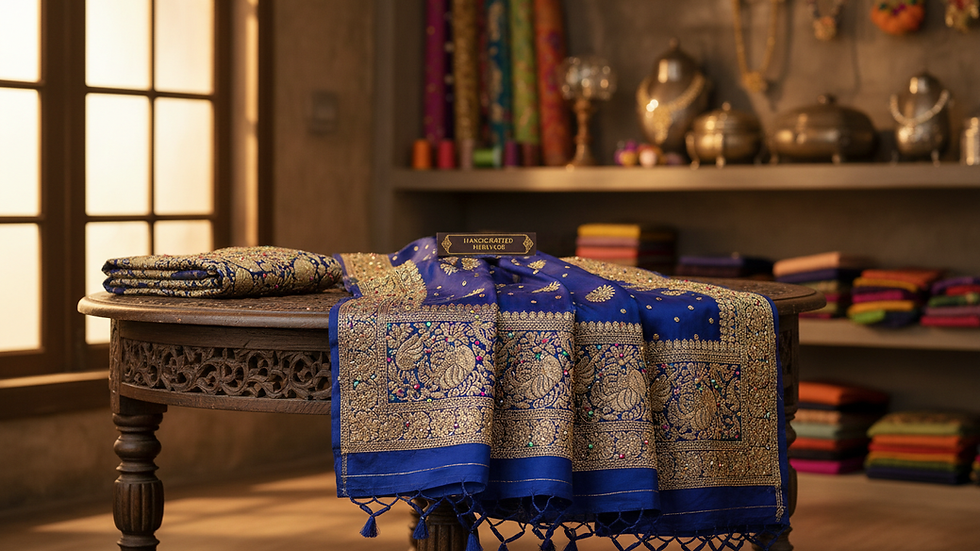
For example, the saree, a classic Indian garment, is more than just a drape. It symbolizes grace and elegance. Different regions have their own styles, like the Banarasi saree with its rich silk and gold zari work or the lightweight cotton sarees from Tamil Nadu. These variations reflect the diversity of Indian culture.
Ethnic attire also adapts beautifully to modern times. Designers blend traditional patterns with contemporary cuts, making these clothes perfect for both festive occasions and casual wear. This fusion keeps ethnic fashion fresh and relevant.
Exploring the Diversity in Women's Ethnic Attire
One of the most fascinating aspects of ethnic wear is its diversity. India alone offers a vast range of styles, fabrics, and designs. From the vibrant lehengas of Rajasthan to the elegant salwar kameez of Punjab, each outfit reflects local customs and climate.
Let's look at some popular types of ethnic attire:
Saree: A long piece of cloth draped elegantly around the body. It comes in various fabrics like silk, cotton, and chiffon.
Lehenga Choli: A skirt and blouse combination, often paired with a dupatta. It is popular for weddings and festivals.
Salwar Kameez: Comfortable and versatile, this outfit includes a tunic (kameez) and loose pants (salwar).
Anarkali Suit: A flowing dress with a fitted bodice and flared skirt, perfect for formal occasions.
Each style offers unique ways to express personality and cultural pride. The choice of colors, patterns, and accessories further enhances the look.

How to Style Women's Ethnic Attire for Every Occasion
Styling ethnic wear can be fun and creative. Whether you are attending a wedding, festival, or casual gathering, there are ways to make your outfit stand out.
Here are some tips to style ethnic attire effectively:
Choose the Right Fabric: For hot weather, opt for breathable fabrics like cotton or linen. For cooler seasons, silk and velvet add warmth and richness.
Mix and Match: Pair traditional pieces with modern accessories. For example, wear a classic saree with statement earrings or a contemporary clutch.
Play with Colors: Bright colors work well for celebrations, while pastel shades suit daytime events.
Accessorize Thoughtfully: Jewelry, footwear, and bags can elevate your look. Traditional jhumkas, bangles, or a simple necklace can complement your outfit.
Comfort Matters: Ensure your attire fits well and allows easy movement. Comfort boosts confidence.
By experimenting with these elements, you can create looks that are both authentic and stylish.
The Cultural Significance Behind Ethnic Wear
Ethnic attire is not just about fashion; it carries deep cultural meaning. Wearing traditional clothes often marks important life events and rituals. It connects individuals to their community and heritage.
For instance, bridal wear in India is rich with symbolism. Red sarees or lehengas represent prosperity and fertility. Specific embroidery patterns or jewelry pieces may signify regional identity or family traditions.
Festivals like Diwali, Navratri, and Eid see a surge in ethnic wear as people celebrate their faith and culture. These occasions encourage wearing clothes that honor customs and bring people together.
Understanding this cultural context adds depth to the appreciation of ethnic attire. It reminds us that these garments are living traditions, evolving yet rooted in history.
Embracing Women's Ethnic Wear in Contemporary Fashion
Today, ethnic wear is gaining global recognition. Designers and fashion enthusiasts worldwide celebrate traditional textiles and crafts. This trend helps preserve artisanal skills and promotes sustainable fashion.
I often explore collections that highlight handwoven fabrics, natural dyes, and intricate handwork. Supporting such craftsmanship ensures these art forms thrive for future generations.
Moreover, ethnic attire offers versatility. It can be styled for office wear, casual outings, or grand celebrations. This adaptability makes it a valuable addition to any wardrobe.
If you want to explore authentic options, check out women's ethnic wear collections that blend tradition with modern aesthetics. These pieces bring the charm of Indian heritage right to your doorstep.
Celebrating Heritage Through Fashion
Ethnic attire is a beautiful way to celebrate heritage and express individuality. It connects us to stories, places, and people that shape our identity. Wearing these clothes feels like honoring the past while embracing the present.
Whether you prefer the elegance of a saree or the comfort of a salwar kameez, ethnic wear offers endless possibilities. It invites you to explore colors, textures, and designs that resonate with your style.
As we continue to cherish and innovate with ethnic fashion, we keep alive a rich cultural legacy. This journey of discovery and expression is what makes women's ethnic attire truly alluring.


Comments